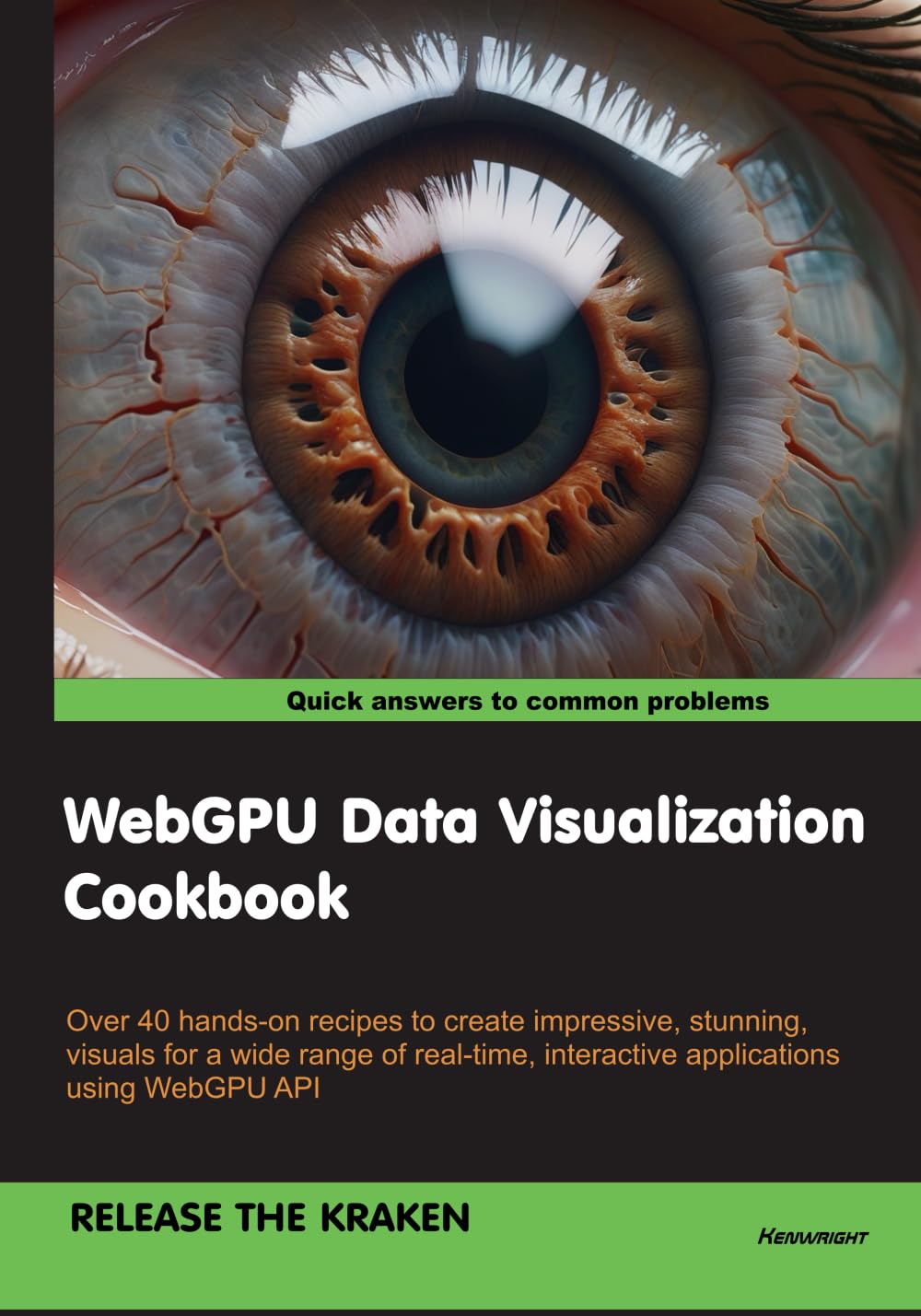
An visionary journey into webgpu, "WebGPU Data Visualization Cookbook (2nd Edition)" explores its profound influence on the intelligent systems. With clarity and enthusiasm, this essential read delivers fresh perspectives and actionable insights that inspire curiosity and spark meaningful progress.
With a strong emphasis on real-world relevance, "WebGPU Data Visualization Cookbook (2nd Edition)" equips readers with tools and insights to thrive in today's fast-evolving landscape of graphics. From foundational principles to advanced techniques, "WebGPU Data Visualization Cookbook (2nd Edition)" delivers a well-rounded experience that caters to learners at every stage. Embark on a transformative journey through the world of webgpu with "WebGPU Data Visualization Cookbook (2nd Edition)", a masterfully written guide that blends clarity with depth. Readers will find themselves motivated by the book’s clear explanations, thoughtful examples, and forward-thinking perspective.
If you're serious about mastering compute, this book is essential. It’s both a guide and an inspiration.
This book doesn’t just inform—it challenges assumptions and introduces a bold, refreshing framework for thinking differently.
I appreciated the way each chapter ended with reflection prompts—it encouraged me to apply what I learned right away.
August 19, 2026
This book is more than a read—it’s a catalyst for growth. I feel energized and equipped to take action.
That insight on shader really stuck with me—so relevant to my work and thought process.
September 2, 2026I loved how the author used personal stories to illustrate key points. It added depth and authenticity to the material.
August 24, 2026Stay updated with the latest in tech literature
Cabin for Four in High Sierra One winter, the Friday before a big storm, Mom brought home a clawfoot tub in the back of the pickup. She filled the tub...
Read MoreThings are tense this week, but it's hard to understand the stakes... The post “Starships are also capable of miracles” — <i>Star Trek: St...
Read MoreEnhance your reading and learning experience
Take brief notes after each chapter. Summarizing helps cement knowledge.
Create a dedicated reading space with good lighting and minimal distractions.
Follow the 20-20-20 rule: every 20 minutes, look at something 20 feet away for 20 seconds.
Use the Feynman Technique: teach what you learn to someone else to identify knowledge gaps.
Use a pointer or your finger to guide your eyes. This can increase reading speed by 25%.
Rubber Duck Debugging: explain your code line by line to an inanimate object.
Sarah Johnson
Professional ReviewerThat section was brilliant. I've already applied those techniques with great success in my current projects.
August 23, 2026