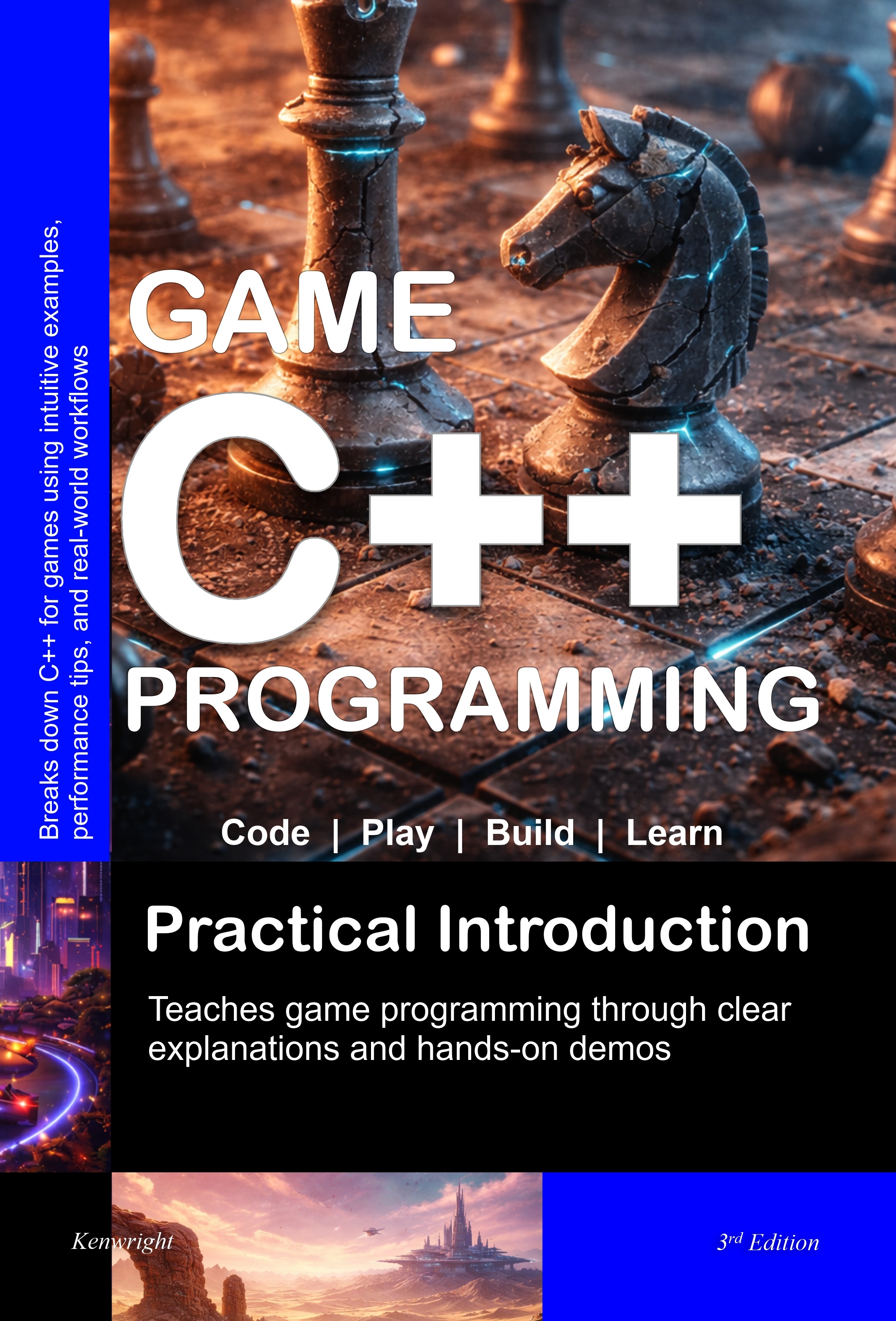
An dynamic journey into programming, "Game C++ Programming A Practical Introduction" explores its profound influence on the creative disruption. With clarity and enthusiasm, this essential read delivers fresh perspectives and actionable insights that inspire curiosity and spark meaningful progress.
Each page is infused with positivity and purpose, encouraging readers to think boldly and embrace new ideas with confidence. With a strong emphasis on real-world relevance, "Game C++ Programming A Practical Introduction" equips readers with tools and insights to thrive in today's fast-evolving landscape of simulation. Readers will find themselves motivated by the book’s clear explanations, thoughtful examples, and forward-thinking perspective.
After 15 years in the industry, I rarely come across something this refreshing. Every page delivers insights that are both practical and forward-thinking. A must-have for professionals.
That section was brilliant. I've already applied those techniques with great success in my current projects.
August 27, 2026
The balance between rigorous research and relatable anecdotes makes this book feel both credible and deeply personal.
Totally agree. The pacing and structure made it easy to stay engaged and absorb the content without feeling overwhelmed.
September 1, 2026Yes! I found the visual summaries at the end of each chapter incredibly helpful for reviewing and retaining key ideas.
August 29, 2026
I recommended this book to my entire team—and the results were immediate. Our workflow is sharper, our thinking more strategic.
I found myself nodding along constantly—so many moments of 'aha!' throughout the book.
August 19, 2026Stay updated with the latest in tech literature
J.P. Donleavy, called Guts by his closest friends for his fighting spirit, refused rejection. The kid from the Bronx who knew how to box and eventuall...
Read MoreThings are tense this week, but it's hard to understand the stakes... The post “Starships are also capable of miracles” — <i>Star Trek: St...
Read MoreEnhance your reading and learning experience
Use a pointer or your finger to guide your eyes. This can increase reading speed by 25%.
Follow the 20-20-20 rule: every 20 minutes, look at something 20 feet away for 20 seconds.
Rubber Duck Debugging: explain your code line by line to an inanimate object.
Take brief notes after each chapter. Summarizing helps cement knowledge.
Write documentation as if the next person reading it is a violent psychopath who knows where you live.
Organize books by color for visual appeal or by genre for practical access.
Sarah Johnson
Professional ReviewerGreat point! I especially appreciated the chapter on implementation strategies—it offered clear, actionable steps I could use immediately.
August 25, 2026